





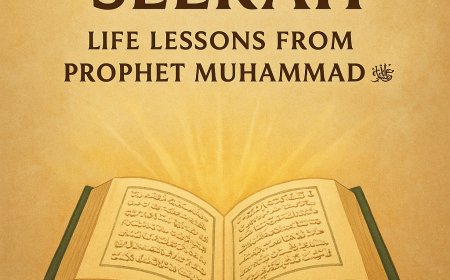

Lessons from the Seerah: Life Lessons from Prophet Muhammad ﷺ
Learn the timeless lessons from the Seerah of Prophet Muhammad ﷺ. Discover teachings on patience, compassion, justice, humility, and knowledge that guide Muslims in daily life.

The Seerah, the biography of Prophet Muhammad ﷺ, is a source of endless guidance for Muslims across the world. By reflecting on his life, believers can learn how to live with faith, patience, compassion, and integrity. From his dealings with family and companions to his leadership of the Muslim community, the Seerah offers lessons that remain relevant even in modern times. This post explores the key teachings and values we can learn from the life of Prophet Muhammad ﷺ.
1. Patience in Adversity
Prophet Muhammad ﷺ faced numerous trials, persecution, and hardships during his life. Yet, he remained steadfast and patient, trusting in Allah’s plan. His example teaches Muslims the importance of sabr (patience) during difficult times and reminds us that perseverance in the face of challenges is a cornerstone of faith.
2. Compassion and Mercy
The Prophet ﷺ demonstrated mercy and kindness in every aspect of life. Whether towards family, friends, or even those who opposed him, he treated everyone with compassion. Muslims can learn to embody mercy in their own lives, creating harmony and peace in their communities.
3. Justice and Fairness
Prophet Muhammad ﷺ was renowned for his fairness. He resolved disputes wisely and treated all people equally, regardless of their background. His example shows that justice and integrity are essential in both personal and societal relationships.
4. Humble Leadership
Despite leading a growing Muslim community, the Prophet ﷺ remained humble. He emphasized serving others rather than seeking power or status. True leadership in Islam is measured by service, responsibility, and care for the people, as demonstrated by Prophet Muhammad ﷺ.
5. Pursuit of Knowledge
Prophet ﷺ always encouraged learning and reflection. He emphasized that seeking knowledge is an obligation for every Muslim, male or female. Education and understanding of the faith, as well as worldly knowledge, are vital for personal growth and for contributing positively to society.
6. Forgiveness Over Retaliation
Even when wronged, Prophet Muhammad ﷺ forgave those who harmed him. His example teaches that forgiveness is stronger than revenge, and that moral courage often lies in letting go of grudges for the sake of peace and unity.
7. Strong Family Values
Prophet ﷺ placed great importance on family ties. He was loving, respectful, and supportive toward his household, emphasizing that family is the foundation of a strong and balanced society. Upholding family responsibilities is an essential part of a Muslim’s character.
Conclusion
The Seerah is not just a historical record; it is a guide for ethical living, spiritual growth, and social responsibility. By studying the life of Prophet Muhammad ﷺ, Muslims can learn how to embody his teachings in everyday life — through patience, compassion, justice, humility, knowledge, forgiveness, and strong family values.
What's Your Reaction?