


How to Build a Minimalist Skincare Routine | ChillBloom Simple & Effective Skincare Guide
Learn how to build a minimalist skincare routine with ChillBloom. Discover simple, effective steps and essential products to maintain healthy, radiant skin without clutter or overspending.

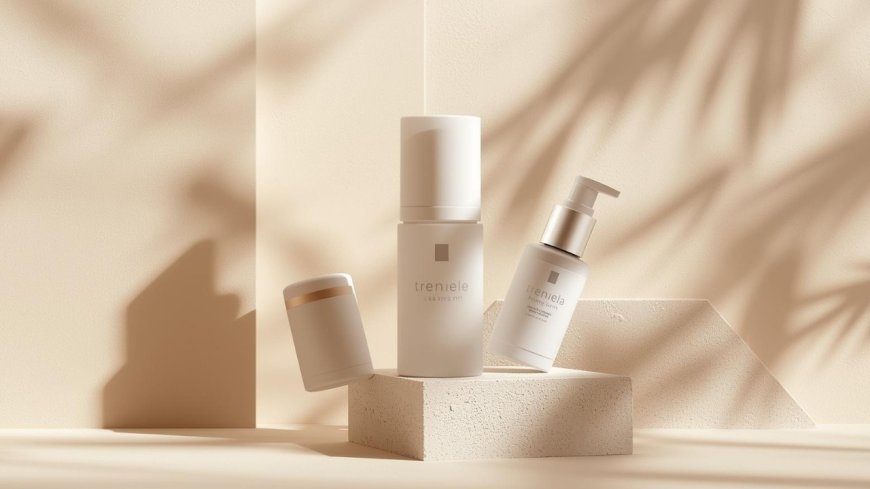
How to Build a Minimalist Skincare Routine
In a world overflowing with products, trends, and ten-step regimens, the idea of a minimalist skincare routine feels wonderfully refreshing. Instead of cluttered counters and confusing instructions, minimalism invites simplicity, clarity, and intention. A minimalist routine focuses on what your skin actually needs—not what marketing claims you should pile on.
Whether you’re new to skincare or ready to simplify an overwhelming routine, a minimalist approach can save you time, money, and stress—while giving your skin the consistent, gentle care it deserves. This guide will help you understand how to create a streamlined routine that works for your unique needs and lifestyle.
1. Why Minimalist Skincare Works
Minimalist skincare respects your skin’s natural rhythm. Our skin is smart—it regenerates, protects, and corrects itself when given the right environment. Overuse of products can actually irritate the skin, disrupt the barrier, or cause sensitivity.
A minimalist routine is beneficial because:
- It reduces irritation by using fewer active ingredients.
- It saves time, making it easier to stick to consistently.
- It prevents product overload, which often leads to breakouts or dryness.
- It’s budget-friendly, as you invest only in essentials.
- It helps you understand your skin, making it easy to notice what truly works.
Minimalism isn’t about neglecting your skin—it’s about choosing carefully and using purposefully.
2. Start by Understanding Your Skin Type
A minimalist routine works best when it’s tailored to your skin’s needs. Before choosing products, identify your skin type:
Normal Skin
Feels balanced overall—not too oily or dry.
Dry Skin
Feels tight, flaky, or rough, especially in colder weather.
Oily Skin
Shiny throughout the day, especially in the T-zone.
Combination Skin
Oily in some areas, dry in others.
Sensitive Skin
Easily irritated, prone to redness or reactions.
Once you know your skin type, you can choose essential products that help maintain balance rather than disrupt it.
3. The Three Core Steps of a Minimalist Routine
A true minimalist skincare routine can be built around just three essential steps—morning and night.
1. Cleanse
2. Moisturize
3. Protect (AM) / Restore (PM)
Let’s explore each one in detail.
4. Step One: Choose a Gentle, Effective Cleanser
Cleansing removes impurities, sweat, dirt, and excess oil. A minimalist routine calls for a cleanser that cleans without stripping the skin.
What to Look For
- A pH-balanced formula
- No strong fragrance if you’re sensitive
- Hydrating ingredients like glycerin or ceramides
- Gel cleanser for oily types
- Cream cleanser for dry types
AM vs. PM Cleansing
- Morning: A gentle rinse or mild cleanse is enough.
- Night: Clean thoroughly, especially if you wear sunscreen or makeup.
If you use makeup daily, you can incorporate a double cleansing method at night:
- Oil-based cleanser to break down makeup
- Gentle water-based cleanser to cleanse skin
This isn’t an extra step you have to do every day—just when necessary.
5. Step Two: Moisturize to Strengthen the Skin Barrier
Moisturizing is essential for healthy skin, even if your skin is oily. A good moisturizer keeps your barrier strong, preventing dehydration, irritation, and premature aging.
Choose a Moisturizer Based on Your Skin Type:
- Dry skin: Rich, creamy moisturizers with ceramides, shea butter, or squalane
- Oily skin: Lightweight gel moisturizers
- Combination skin: A balanced, non-greasy formula
- Sensitive skin: Simple formulas with fewer ingredients
The goal is hydration and balance—not heaviness or greasiness. With the right moisturizer, your skin feels comfortable all day.
6. Step Three (AM): Sunscreen Is Non-Negotiable
In a minimalist routine, sunscreen replaces most serums because it prevents so many skin issues—dark spots, wrinkles, redness, irritation, and loss of elasticity.
Choose a lightweight sunscreen you’ll wear every day. The best sunscreen is the one you actually use.
Tips for Choosing Sunscreen
- SPF 30 or higher
- Broad-spectrum (protecting against UVA and UVB)
- Gel or fluid for oily skin
- Lotion or cream for dry skin
Apply it as the final step of your morning routine.
7. Step Three (PM): Restore With a Simple Treatment (Optional)
Your nighttime routine should help your skin repair. You don’t need multiple serums—just one optional treatment depending on your skin concerns.
Choose Just One Night Treatment:
- For dullness: Vitamin C
- For fine lines: Retinol or a gentle retinoid
- For uneven texture: Lactic or mandelic acid
- For acne: Niacinamide or salicylic acid
- For hydration: Hyaluronic acid
Minimalist skincare encourages using one active at a time rather than layering multiple, which can overwhelm the skin.
8. When to Use Extras (Only If Needed)
Minimalist skincare doesn’t forbid extras—it simply encourages intentional use. You can incorporate additional steps only when they serve a purpose.
Optional Add-Ons:
- Eye cream if you have dryness or dark circles
- Face oil if you need extra nourishment
- Clay mask once a week for oil control
- Hydrating mask for dry skin
- Spot treatment for occasional breakouts
But these are not daily essentials. Use them sparingly, based on your skin’s condition.
9. Avoid Overcomplicating Your Routine
The biggest challenge in adopting a minimalist skincare routine is resisting the urge to add more products. Marketing, trends, and social media often create pressure to try everything.
Keep your routine simple by following these ideas:
- Stick to essentials and introduce new products slowly
- Give products time to work (4–8 weeks)
- Listen to your skin—tightness, redness, and breakouts are signals
- Don’t switch routines frequently
- Avoid mixing too many active ingredients
Healthy skin thrives on consistency, not constant change.
10. Focus on Ingredients, Not Trends
Minimalism means choosing products based on what works, not what’s popular. When reading labels:
Good ingredients include:
- Ceramides
- Niacinamide
- Hyaluronic acid
- Glycerin
- Squalane
- Centella asiatica
- Panthenol
Ingredients to avoid or be cautious with:
- Excess fragrances
- Strong essential oils
- Harsh scrubs
- Overly strong acids for sensitive skin
Understanding ingredients helps you pick products intentionally instead of impulsively.
11. Create a Routine You Can Actually Enjoy
Minimalist skincare isn’t just about products—it’s about your relationship with your skin. Your routine should feel calming, grounding, and manageable.
Try approaching skincare as:
- A moment to breathe
- A reset between tasks
- A small act of self-appreciation
- A ritual that supports confidence and wellness
You don’t need a drawer full of products to feel taken care of.
12. Embrace the Beauty of Having Less
When you strip back the unnecessary, you give your skin room to flourish naturally. Minimalist skincare reminds us that simple is often more effective. Your routine becomes intuitive, sustainable, and gentle on both your skin and your lifestyle.
With just a few high-quality steps practiced consistently, you can achieve a clear, balanced, glowing complexion—without the stress or clutter of a complicated regimen.
What's Your Reaction?