


Easy Ways to Declutter Your Space | ChillBloom Simple & Effective Home Organization Tips
Discover easy ways to declutter your space with ChillBloom. Learn practical, simple, and effective tips to organize your home, reduce clutter, and create a calm, tidy environment.

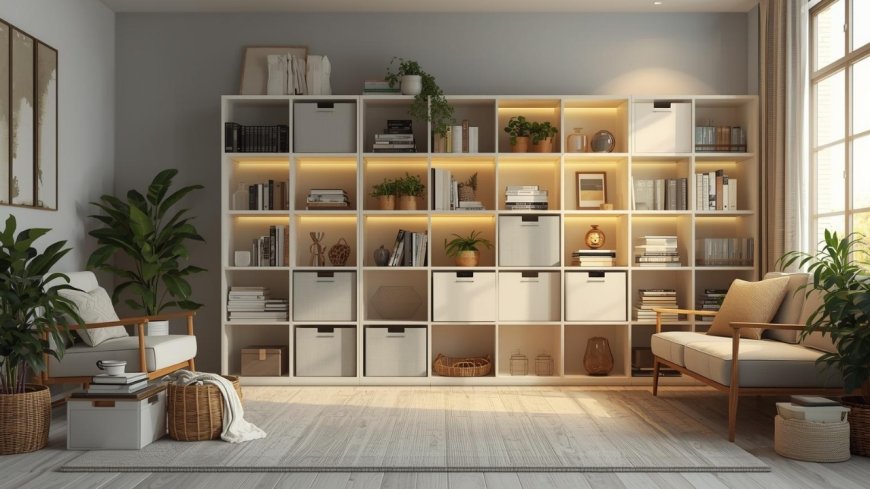
Easy Ways to Declutter Your Space
Decluttering isn’t just about clearing out physical items—it’s about creating a sense of calm, clarity, and intentional living. A clean and organized space supports mental well-being, boosts productivity, and even helps you enjoy your home more. The best part? Decluttering doesn’t have to feel overwhelming or exhausting. With a few simple habits and thoughtful strategies, you can transform your space one small step at a time.
This ChillBloom-inspired guide walks you through practical, easy, and stress-free ways to declutter your home and keep it that way. Whether you’re tackling a messy closet or calming a chaotic living room, these steps will help you create a peaceful, functional space that feels good every time you walk into it.
1. Start With One Small Area
Trying to declutter your entire home at once can feel impossible. Instead, start with one tiny area—something so manageable that you can finish it in under 20 minutes.
Good places to begin:
- A single drawer
- Your bathroom sink cabinet
- One shelf on a bookcase
- The top of your nightstand
- A small corner that collects clutter
Completing one small space builds momentum. You’ll feel accomplished, and that burst of energy will push you to keep going.
2. Use the “Keep, Toss, Donate” Method
A classic decluttering technique that actually works is the simple three-pile method:
- Keep: Items you use, love, or truly need
- Toss: Broken or useless items beyond repair
- Donate: Items still in good condition that you no longer want
This approach helps you make clear decisions without overthinking. Instead of moving things around, you’re actually reducing what you own.
Pro tip: Set a timer for each area. Decluttering becomes easier when you know you’re not committing an entire day to cleaning.
3. Clear Off Surfaces First
Countertops, tables, dressers, and desks easily become clutter zones. Before cleaning out shelves or digging deep into drawers, begin with your visible surfaces.
Ask yourself:
- “Does this item belong here?”
- “Do I actually use this daily?”
- “Is this just a placeholder that ended up here for no reason?”
Clearing surfaces instantly makes your home look cleaner, even if you haven’t addressed hidden clutter yet.
4. Create a Home for Everything
Clutter often piles up because items don’t have designated places. If you find yourself constantly misplacing objects or leaving things in random spots, it’s time to create a simple organizing system.
Ideas that help:
- A basket by the door for keys and mail
- A tray for remote controls
- Drawer dividers for office supplies
- Hooks for bags, jackets, or hats
Even small homes become easier to manage when everything has a home.
5. Declutter by Category, Not by Room
Sometimes decluttering room by room leads to the same types of items scattered everywhere. Instead, try decluttering by category.
Examples:
- All your shoes
- Every book in the home
- All cosmetics
- Every kitchen utensil
- Office papers and mail
Working by category helps you see exactly how much you own (and what’s unnecessary). It’s also easier to spot duplicates.
6. The “One-In, One-Out” Rule
To keep clutter from returning, use a simple ongoing rule:
Every time a new item comes in, one item must go out.
For example:
- Buy a new t-shirt → remove an old one
- Get a new coffee mug → donate an unused one
- Receive a gift → let go of something similar
This rule prevents slow clutter buildup and helps you stay intentional with what you bring home.
7. Avoid the “Maybe Pile”
The biggest decluttering trap is keeping a pile of “I might use this someday” items. These rarely get used and often contribute to clutter anxiety.
Instead, ask yourself:
- Have I used this in the last year?
- If this disappeared tomorrow, would I replace it?
- Does this item add value to my life right now?
If the answer is “no,” it’s safe to let it go.
8. Digitize What You Can
Some clutter isn’t physical—it’s paper. Bills, receipts, loose documents, and old notebooks quickly overwhelm your workspace.
Easy ways to reduce paper clutter:
- Scan important documents
- Switch to paperless billing
- Store digital copies of receipts
- Use apps to organize notes and reminders
Digitizing reduces mess while keeping everything accessible.
9. Create a Weekly Reset Routine
Decluttering isn’t a one-time activity—it’s a habit. To prevent clutter from sneaking back in, create a simple weekly reset ritual.
A reset can include:
- Putting misplaced items back where they belong
- Emptying your purse or backpack
- Clearing your bathroom counter
- Tidying your workspace
- Fluffing pillows and folding blankets
- Doing a quick sweep of surfaces
A 15–20 minute reset helps maintain a peaceful, organized home without feeling overwhelming.
10. Use Storage That Matches Your Lifestyle
Containers, bins, and organizers are only helpful when they fit how you live. Don’t buy fancy storage before you declutter—organize based on your natural habits.
For example:
- If you toss shoes near the door, use a shoe basket instead of a complicated rack.
- If you prefer open shelves, avoid deep closed bins where things disappear.
- If you like visual organization, try clear containers.
Your storage should work with your habits, not against them.
11. Reduce Duplicates Without Guilt
Many homes are filled with duplicate items—extra pens, scissors, mugs, notebooks, chargers, bags, you name it. Decluttering duplicates is one of the easiest ways to create instant order.
Ask:
- “How many of these do I actually use?”
- “Do I need 10 mugs or would 4 be enough?”
Keep only what you enjoy and use daily.
12. Take Advantage of Empty Walls
Instead of crowding shelves and tables, use wall space for storage:
- Floating shelves
- Hooks
- Pegboards
- Hanging baskets
- Wall-mounted organizers
This keeps things accessible without creating surface clutter.
13. Make Your Bed Every Morning
It sounds simple, but making your bed is a foundational decluttering habit. A tidy bed sets the tone for the rest of the room. When your bed is neat, you’re far more likely to keep surrounding areas tidy too.
14. Keep Only What Brings Comfort or Function
At its core, decluttering is about removing friction from daily life. Your home should support you—not stress you.
Ask yourself these ChillBloom questions:
- Does this item make my life easier?
- Does it bring joy or comfort?
- Would I pack this if I were moving tomorrow?
If not, it may be time to let it go.
15. Don’t Aim for Perfection—Aim for Peace
Decluttering isn’t about creating a showroom-perfect home. It’s about designing a peaceful space that supports your lifestyle. A little mess is normal. A little imperfection is human. The goal is to remove the noise, not the personality.
Start small, move slowly, and celebrate every win—even if it’s just a cleaned-out drawer. Over time, each small effort builds into a calm, organized, and uplifting home.
Final Thoughts
Decluttering doesn’t require huge effort or dramatic changes. With simple habits, consistency, and mindful choices, you can transform your space in a gentle, stress-free way. When your environment is calm, your mind follows—and that’s the heart of living the ChillBloom lifestyle: finding beauty, clarity, and comfort in everyday moments.
What's Your Reaction?